A Design Review: Nurses We Can't Fix Stupid
The Honest Charm of a Bold Statement
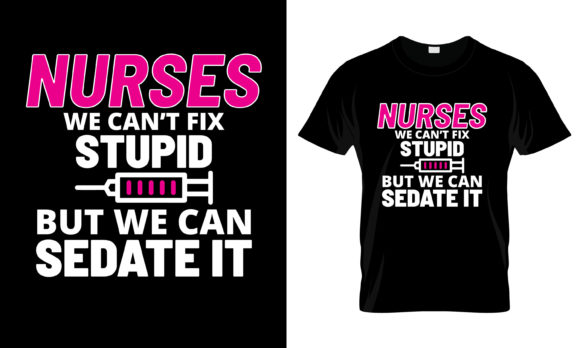
Opening the Nurses We Can't Fix Stupid embroidery file, you get an immediate sense of its personality. It’s bold, a bit cheeky, and carries that insider humor that resonates deeply within a community. This isn’t a generic, feel-good slogan; it’s a confident statement piece. The layout is straightforward—the text is the hero here—which makes it a fantastic candidate for embroidery where clarity and impact are key. As a designer, I appreciate designs that know their role. This one isn’t trying to be a delicate floral motif; it’s meant to be read, understood, and chuckled at. The visual personality is direct and unapologetic, which tells me it would stitch out with excellent presence on a finished product.
Where This Design Finds Its Home
In practical terms, the Nurses We Can't Fix Stupid design naturally belongs on items meant for wear, display, or gifting within that specific niche. Think of a custom embroidered sweatshirt for a nurse after a long week, or a sturdy tote bag for the hospital shift. It would shine on a dark fabric apron for a healthcare worker who loves a kitchen joke. I recently used a similar bold-text design for a client’s boutique, embroidering it on a pillow cover for a nurse’s lounge area—it became an instant favorite. The design’s theme makes it a perfect personalized gift for Christmas, birthdays, or Nurse’s Week, far more memorable than a generic present.
For your craft business or Etsy shop, this design translates well into several products. An embroidered patch with this slogan allows for versatility—customers can add it to caps or jackets. On a baby item? Probably not the right mood. But on adult apparel, kitchen towels for a nurse’s home, or even as a bold statement on a pillow, it creates a product with immediate recognition and engagement. It’s a design that fosters a sense of belonging and shared experience, which is gold for small shop merchandise.
Considering the Embroidery Execution
Moving from the digital file to the actual hoop, there are practical considerations. The provided file formats, like SVG and a high-resolution PNG, are excellent for scaling and creating printable mockups for your listings. For machine embroidery, the design’s success hinges on its simplicity. There are no tiny, intricate details that might get lost in translation. However, the lettering is the entire design, so stitch density and clarity become paramount.
I’d advise testing this on scrap fabric first, especially if you plan to use it on textured fabrics like a fleece sweatshirt or a curved surface like a cap. On thin or stretchy fabric, a good stabilizer is non-negotiable to prevent puckering and keep those satin stitches or fill stitches crisp. For dark fabric backgrounds, thread color contrast is critical—a bright white or a contrasting color palette will make the statement pop. Always check how it looks in a black and white mockup to gauge contrast before committing thread.
Navigating the Potential Pitfalls
This is a design to use carefully in a few key scenarios. Given its text-based nature, very small hoop sizes could compress the lettering, making it difficult to read and potentially weakening the stitch structure. I wouldn’t recommend it for items with dense decorative accents around it—it needs space to stand alone. Also, consider the product’s end use. Items that need frequent washing, like t-shirts or kitchen towels, require a robust embroidery execution with secure stitches to ensure longevity and maintain customer trust in your handmade presentation.
The slogan itself, while hilarious to its target audience, might not fit every brand or gift context. It’s essential to match the design to your customer’s sensibility or your boutique’s branding consistency. For a commercial embroidery project aimed at a general hospital gift shop, it might be perfect. For a more formal corporate gift, it likely isn’t. This is where understanding your market is part of the design review.
The Designer’s Practical Notes
Before running this embroidery project, here are my hands-on notes. Review the stitch density in your software; a text-heavy design can sometimes become overly dense in areas, affecting the fabric’s drape. Confirm your hoop size can accommodate the design at the size you want—it’s likely versatile but test it. Inspect the small details: are there any corners in the lettering that might need a slight adjustment for your specific machine? Always, always use proper stabilizer for this type of design.
For digital product sellers, the high-resolution PNG is great for creating design assets and previews. For those selling finished items, like embroidered tote bags or caps, remember to check the licensing provided with the original graphics files to confirm it works for both personal and commercial projects. This step protects your craft business and professionalism.
Final Impressions: Value, Appeal, and Fit
The Nurses We Can't Fix Stupid design ultimately affects your product’s value through its strong visual appeal and stitching clarity. A well-embroidered version on a quality sweatshirt feels premium and giftable. It engages buyers because it speaks directly to their experience. For the nurse receiving it, or the fan buying it, it feels authentic and handmade with thought.
In my experience, these niche, statement designs often outperform generic ones in specific markets. They build a stronger connection. So, if you’re an apparel decorator or creative entrepreneur looking for a design that fills a clear need with confidence and a touch of humor, this one deserves a spot in your next project lineup. Just pair it with the right fabric, the right product, and the right audience, and you’ll have a finished product that truly resonates.