A Designer's Take: Embroidering the Nurse Design
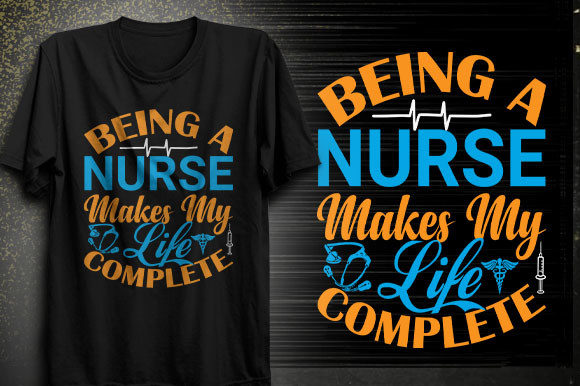
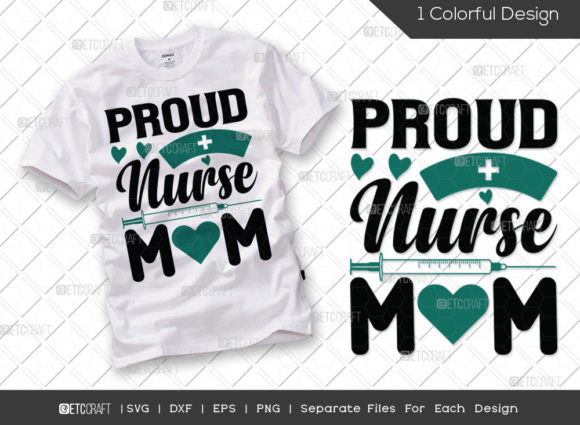
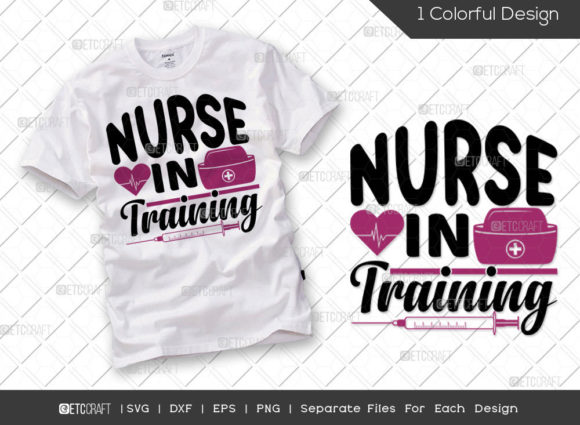
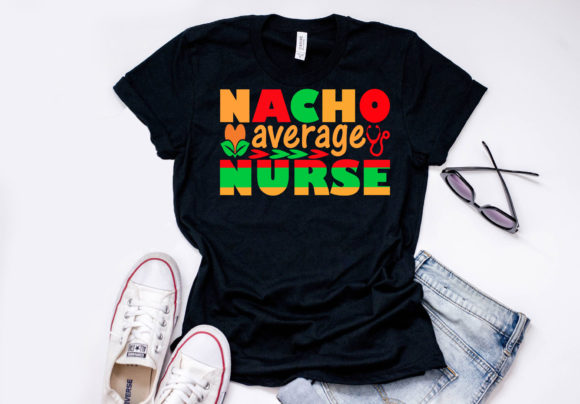
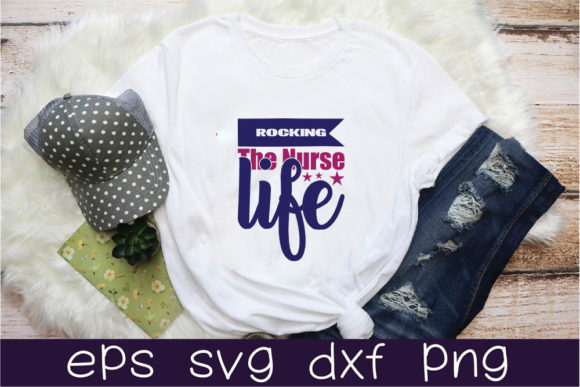
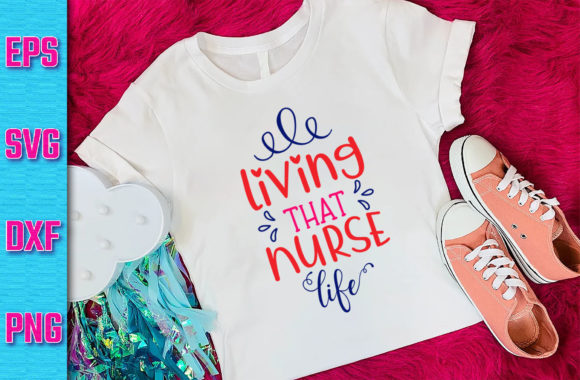
When you work with embroidery files day in and day out, you develop a kind of instant gut reaction to a new design. You can almost feel how it will stitch out before you even load it into the machine. So, when I first opened Nurse Design Living That Nurse, my immediate thought wasn't about file formats—it was about mood. This design has a celebratory, confident personality. It feels modern and upbeat, perfect for honoring someone in a profession that deserves all the recognition we can give.
The Natural Habitat for This Design
I picture this embroidery file on a crisp, heavyweight cotton sweatshirt, maybe for a nurse graduating or hitting a career milestone. But my mind doesn’t stop there. It’s a versatile graphic. I can easily see it stitched onto a sturdy canvas tote bag for a nurse to carry to work, or as a beautifully simple patch on a denim jacket. The clean lines and bold statement make it a candidate for so many projects: a personalized pillow cover for a nurse’s lounge, a durable apron for a home kitchen, or even embroidered onto a soft baby blanket for a new mom who’s also a nurse. It’s inherently giftable.
Thinking Like a Maker: The Stitching Scenario
Let’s walk through a real scenario. Say I’m preparing a custom embroidered tote bag as a holiday gift for a nurse friend. I’d pull this design, thinking about fabric choice. On a medium-weight canvas, the satin stitch areas—likely in the lettering—will need a good stabilizer to stay crisp. The overall layout isn’t overly dense, which is a relief for bag fabric; it won’t become stiff or puckered. The design’s personality is key here: it’s friendly and proud, not overly clinical. That matters. A customer receiving this on a handmade product feels acknowledged, not just labeled.
Where This Design Excels and Where to Be Careful
For visual appeal and stitching clarity, Nurse Design Living That Nurse has a lot going for it. It’s not overly detailed with tiny elements that could get lost in translation from screen to stitches. That’s a huge plus for maintaining product value and a professional look. On light fabrics with good thread contrast, it will pop beautifully. On darker fabrics, you’d need to plan your thread colors carefully—a bright, clean white or a vibrant color for the main elements would be essential to keep that engaging, confident feel.
However, there are always considerations. On very textured fabrics like some sweatshirt materials, the finer details need extra attention to stitch definition. Stretchy fabrics require the right stabilizer combination to prevent distortion. And while it looks adaptable, I’d be cautious about using it on very small hoop sizes. Condensing it onto a cap or a tiny baby item might compromise the readability and that bold mood it carries so well. The lettering, depending on the final stitch-out, needs space to breathe.
The Professional’s Notes: Before You Hoop It
My practical embroidery designer notes for using this file are straightforward. Always, always test on scrap fabric first. Use the same fabric and stabilizer you plan for the final project. Check thread color contrast against your background fabric—don’t just assume. Review the stitch density by running a small section; you want to ensure it’s not too heavy for delicate fabrics like tea towels. Inspect any small details in the test run. It’s also wise to test the design in a simple black and white mockup to see how the shapes hold up without color, which helps gauge its strength as a graphic.
Comparing how it looks on both a light and dark fabric background in your mind (or in a digital preview) is crucial for planning. For commercial embroidery projects or even for your small shop merchandise, this design’s clean, professional aesthetic can boost customer trust and brand consistency if it’s part of your lineup. But a critical note: since the provided description mentions multiple file formats like EPS, SVG, DXF, and PNG for uses including T-Shirt Printing and more, it’s vital to confirm the specific licensing before you sell any finished items or digital products derived from it. That step is non-negotiable for creative entrepreneurs.
The Final Stitch: A Design That Connects
In the end, an embroidery file like Nurse Design Living That Nurse is more than a graphic; it’s a potential connection. When stitched well onto a thoughtful product, it creates recognition and appreciation. For crafters and Etsy sellers making personalized gifts, or for apparel decorators adding it to boutique product lines, its success hinges on that practical execution: proper stabilizer, suitable fabric, and mindful hooping. It’s a design that, with a bit of thoughtful maker’s care, can stitch out into something that truly feels like a celebration—of a profession, of a person, and of your own handmade craft.