Living That Nurse Life: A Designer's Practical Review
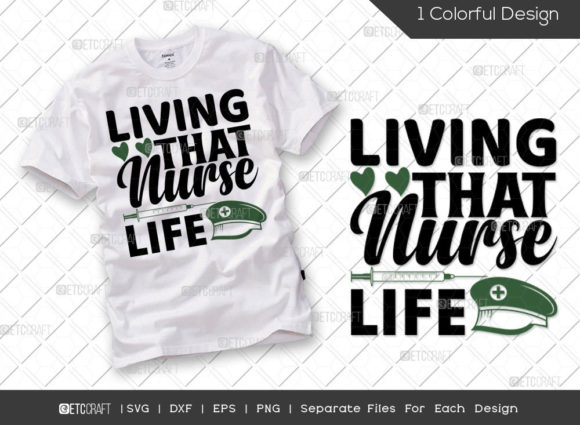
As someone who spends their days turning digital files into tangible, stitched creations for clients and my own shop, I approach every new design with a critical, practical eye. The "Living That Nurse Life" SVG design is one I've been considering for a range of projects, from custom nurse gifts to boutique merchandise. Here’s my honest, from-the-hoop evaluation.
First Impression: A Cheerful, Modern Statement
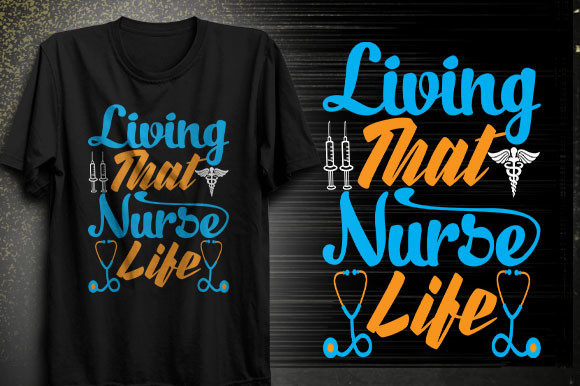
Right off the screen, this design feels current and affirming. The phrasing "Living That Nurse Life" carries a sense of pride and daily reality, rather than a generic, hero-themed tribute. It creates a mood of confident identity. The layout, as a vector-based graphic, promises clean lines and defined shapes, which is the bedrock of a good embroidery file. The visual personality is straightforward and bold, perfect for a statement piece rather than a subtle accent. It naturally belongs to projects meant for celebration, recognition, or professional pride—think a gift for a graduating nurse, a morale-boosting item for a healthcare team, or a product for a nurse-owned small business.
Where This Design Thrives in Real Stitched Projects
My mind immediately jumps to application. This isn’t a fussy, overly detailed illustration; it’s a strong text-based graphic with likely clean shapes. That means it will perform beautifully on a variety of substrates.
Custom Apparel and Everyday Carry
For a embroidered sweatshirt or t-shirt, the design would offer excellent stitch clarity. The letters would translate well into satin stitch or a clean fill stitch, creating a readable, professional look. On a tote bag used for work or everyday errands, it becomes a functional, personalized item. Stitched onto a nurse’s apron or cap as a unique patch, it adds a personal touch to uniform essentials. I also envision it on a pillow cover for a home office or a kitchen towel in a nurse’s home—practical products that carry the message into daily life.
Gifts and Small Shop Merchandise
The giftability here is high. A custom embroidered blanket or baby item for a nurse parent? Perfect. It’s recognizable and meaningful. For Etsy sellers and craft fair vendors, this design can anchor a whole line of nurse-themed products—from mugs (using the PNG for print) to embroidered tea towels and patches. It boosts product value by being specifically tailored to a respected and vast community. The handmade presentation, when embroidered well, adds a layer of care that digital printing alone doesn’t convey, fostering customer trust and engagement.
Careful Considerations for Optimal Stitching
No design is universally perfect, and a good designer knows where to proceed with caution. The provided files are vector (EPS, SVG, DXF) and RGB PNGs, noted as high-quality. This is excellent for scaling. However, for embroidery, the conversion from vector to embroidery file is key.
Watch the Scale and Detail
If the design includes smaller decorative elements or particularly thin lettering, you must be mindful. On very small hoop sizes or on curved surfaces like caps, tiny details might lose clarity or become overly dense. Always test the design on scrap fabric first, especially if you plan to stitch it on textured fabrics like some blanket materials or on stretchy fabric like t-shirts. Proper stabilizer is non-negotiable here to maintain crispness.
Color and Background Contrast
The design is described with RGB colors. For embroidery, this means you’ll be selecting thread colors to match that palette. Check thread color contrast against your fabric. On dark fabric, the design might require a lighter underlay or careful color choices to pop. I always advise testing it in black and white mockups mentally to see if the shapes hold up without color reliance. For products needing frequent washing, like apparel, a solid fill stitch with good density will hold up better than very fine running stitch details.
Practical Notes for the Embroidery Designer
Before you commit this to a client project or a batch of shop merchandise, here’s my workflow advice.
First, review the stitch density after you’ve converted the SVG to your embroidery file format. Dense areas on large designs can be stiff on lightweight fabrics. Second, confirm your hoop size can accommodate the design at the scale you want—it’s often larger than you think. Inspect small details in your embroidery software preview; sometimes vector curves translate into thousands of tiny stitches, which can be gorgeous or overwhelming depending on the product.
Crucially, confirm the licensing terms for this digital embroidery file. The description notes it’s perfect for commercial use like shirts and mugs, but always verify if there are any restrictions on selling the finished physical products or the converted embroidery files themselves. This protects your craft business and maintains professionalism.
Finally, think about brand consistency if you’re using this in a series. Does "Living That Nurse Life" fit with your other designs? For a nurse-themed collection, it’s a strong, modern anchor piece.
The Final Stitched Reality
Evaluating "Living That Nurse Life" from a maker’s perspective, I see a versatile, mood-boosting design. It’s not overly complex, which makes it a reliable choice for a wide range of embroidery projects. Its strength is in its clear message and likely clean vector art, which translates into satisfying stitching with good visual appeal. It’s a design that would resonate deeply with its recipient or buyer, elevating a simple embroidered patch or custom apparel item into a personal statement. With the practical steps of testing and licensing confirmed, this design can confidently move from a digital graphic on your screen to a beautifully stitched, meaningful finished product.