Nurse Life T-Shirt: A Designer's Review for Embroidery Projects
When you’re considering an embroidery design for real client work or your own handmade products, it’s not just about the file. You’re looking at how it will stitch out, what mood it creates on fabric, and whether it adds genuine value to your final product. Today, I’m evaluating the Nurse Life T-Shirt design from that practical perspective, imagining how it would translate from a digital graphic into a tangible, stitched piece.
The First Impression: Warm, Bold, and Perfectly Giftable
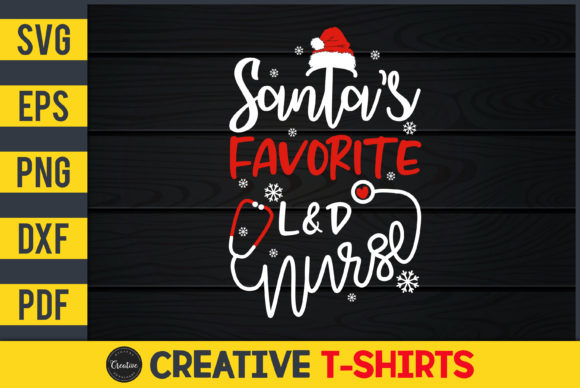
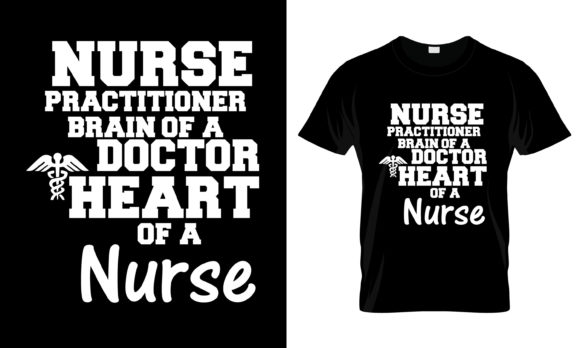
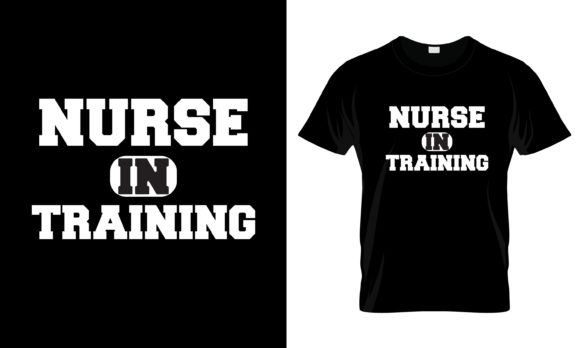
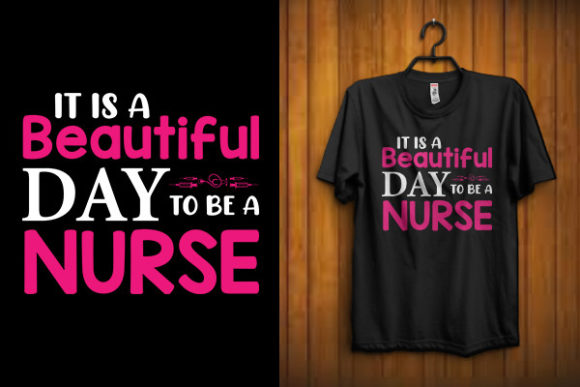
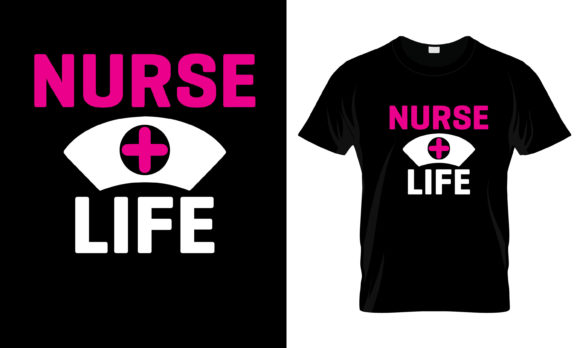
The Nurse Life T-Shirt design immediately strikes a warm, bold tone. Its layout feels celebratory and proud, a visual shout-out that’s both personal and professional. This isn’t a subtle, minimalist graphic; it’s designed to be seen and recognized. The personality is friendly and direct, which tells me this isn’t just for a uniform—it’s for a gift, a statement, a piece of personal pride. For embroidery, that means we’re looking at a design that needs to stitch cleanly and brightly to carry that confident mood onto the fabric.
Where This Design Finds Its Natural Home
In my mind, I’m already placing this onto several projects. A custom embroidered sweatshirt for a nurse graduating their program. A tote bag for a nursing student to carry their books. A cozy blanket or pillow cover as a heartfelt gift for a healthcare worker. The theme is inherently gift-oriented, as the product description suggests, making it a strong candidate for holiday gifts, birthdays, or even thank-you presents. For a craft business or Etsy seller, this design could anchor a whole line of nurse appreciation products—aprons, tea towels, caps. It feels ideal for boutique merchandise aimed at a specific, appreciative audience.
Considering Real-Life Embroidery Performance
Moving from concept to hoop, how would the Nurse Life T-Shirt perform? The provided files—SVG, EPS, and a high-resolution PNG—are typical for the Print Templates and Graphics category. For embroidery, this means you’ll likely be converting or using these as a reference to create your embroidery file. The high detail level in a 4500×5400 PNG is great for seeing the intended layout, but remember, embroidery simplifies. Small, intricate details in a graphic might need to be adapted for stitching.
I’m thinking about stitch density. Areas with large, bold text or solid shapes would likely use fill stitch, while finer lines might be running stitch or satin stitch. The design’s clarity on fabric will depend heavily on your thread color choices and the fabric background. On a dark fabric like navy or black, you’d need bright, contrasting threads to keep that bold mood. On a light fabric, it would pop naturally. Always test on scrap fabric first to see how the details translate.
A Practical Scenario: Crafting an Embroidered Tote Bag
Let’s walk through a real case. Imagine you’re preparing a custom embroidered tote bag as a Christmas gift for a nurse friend. You’ve chosen a sturdy canvas. The Nurse Life T-Shirt design, centered on the bag, needs to be sizable enough to be impactful but not so dense that it makes the bag stiff. You’d consider a medium hoop size, ensuring the design fits without cramming tiny details into corners. Using a good stabilizer is key here, especially on a textured fabric like canvas, to keep the stitches sharp. The final product would feel professional, handmade with care, and the recipient would instantly connect with the clear, proud message.
Careful Use: Where This Design Requires Attention
Not every project is ideal. For small hoop sizes, the design’s scale might force you to shrink it, risking the loss of detail and clarity, especially in any smaller lettering. On thin or stretchy fabrics like lightweight t-shirts, a dense, large embroidery area could cause puckering or discomfort; placement and stabilizer choice become critical. Embroidering on curved surfaces like a cap would require careful digitizing to ensure the design distorts correctly.
Also, consider products that need frequent washing, like kitchen towels or baby clothes. A robust embroidery file with secure stitches will ensure the design lasts, maintaining the product’s value and customer trust. For a small business selling such items, that durability translates directly to brand consistency and positive reviews.
Visual Appeal and Professional Value
When stitched well, this design boosts a product’s visual appeal and perceived value. It turns a plain sweatshirt into a personalized gift. For an Etsy seller, it creates a recognizable product line that engages a specific buyer community—nurses, their families, and fans. The handmade presentation feels thoughtful, moving beyond generic apparel. It’s a design that supports storytelling in your product listings; you’re not just selling a t-shirt, you’re selling appreciation.
Essential Designer Notes Before You Stitch
My practical advice for using this or any similar graphic design for embroidery:
- Always test the design on scrap fabric that matches your final project fabric.
- Check thread color contrast against both light and dark fabric backgrounds. Create black and white mockups to see the form without color.
- Review the stitch density in your embroidery file—too dense can stiffen fabrics, too light might look weak.
- Confirm your hoop size can accommodate the design at the scale you want without losing important details.
- Inspect small details during your test run. How do corners and curves stitch out?
- Use the proper stabilizer for your fabric type—this is non-negotiable for professional results.
- Crucially, check the licensing terms for the digital files before using them for commercial embroidery projects or selling finished products. The product description doesn’t specify license details, so you must verify this to ensure your craft business or commercial use is compliant.
Ultimately, the Nurse Life T-Shirt design offers a strong, emotionally resonant theme that can be the heart of excellent embroidery projects. Its success lies in your skillful translation from graphic to embroidery file and your thoughtful application onto the right products. For makers, crafters, and small shop owners looking to create meaningful gifts and merchandise, it’s a design worth considering, provided you approach it with the practical, tested mindset that every professional embroidery project deserves.