One Loved Nurse Embroidery Design Review
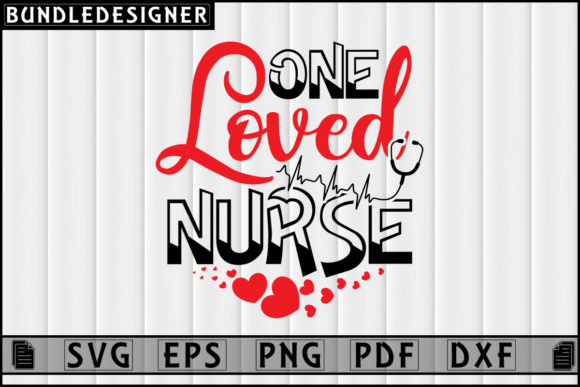
From my perspective as a designer who uses these files daily for client work and my own product line, I want to talk about the practical realities of the One Loved Nurse-Vector Nurse Design Svg. This isn’t just about looking at a graphic on a screen; it’s about imagining how it will look stitched onto fabric, how it will feel as a finished product, and what kind of project it truly belongs to.
A Design That Speaks to Heartfelt Recognition
The first impression of this design is one of warmth and professional appreciation. The layout is clear and centered, creating an immediate focal point. The theme leans toward sentiment rather than clinical precision, which tells me it’s perfect for gifts or personal wear rather than institutional branding. The detail level in the text and supporting elements seems balanced—not overly simplistic, but not so intricate that it would become a dense, time-consuming embroidery project. Its visual personality is friendly and dedicated, setting a mood of gratitude.
Where This Design Finds Its True Home
In real-life embroidery situations, this design naturally belongs to personalized products. Picture it stitched onto a cozy sweatshirt for a nurse finishing a tough shift, or appliquéd onto a sturdy tote bag she can carry to work. It would shine as an embroidered patch on a backpack or a discreet, beautiful detail on a pillow cover in a nurse’s home. For a craft business, this design is ready for holiday gifts, wedding presents for a nurse bride, or as staple merchandise in a small shop catering to medical professionals.
I would particularly consider it for boutique baby items—like a sweet, small embroidery on a baby blanket for a new mom who is a nurse. The scale and sentiment work beautifully there. It’s also a strong candidate for aprons, kitchen towels, or caps for a more casual, heartfelt uniform. In commercial embroidery projects, such as a small batch of items for a local clinic’s appreciation day, this design adds a handmade presentation that feels more personal than standard logo work.
Careful Considerations for Stitching Success
This isn’t a design I would automatically throw onto any surface. On very small hoop sizes, the text details need attention; running stitch for the lettering might require testing to ensure clarity. On textured fabrics like some sweaters, or on thin, stretchy fabrics, the fill stitch areas need proper stabilizer to prevent puckering. I’d be cautious on dark fabric backgrounds without first checking thread color contrast in a mockup—you might need to adjust the palette for maximum visual appeal.
Applying it to curved surfaces like caps requires checking the layout’s adaptability. The corners and any decorative accents should be inspected in the file to ensure smooth stitching paths. For products destined for frequent washing, like apparel or tea towels, stitch density and thread choice become crucial for longevity, which directly affects customer trust and product value.
The Impact on Your Project and Your Customer
Using this embroidery file well elevates your finished product. It adds recognition and professionalism to a gift or item. For an Etsy seller or digital product seller, this kind of clear, emotive design enhances brand consistency when paired with similar themed work. Its giftability is high, which directly boosts buyer engagement in a shop listing. For the embroidery designer, it offers a straightforward asset that, when stitched cleanly, results in a product that feels complete and thoughtful.
A Practical Designer’s Notes Before You Hoop It
My standard process for any new design like One Loved Nurse-Vector Nurse Design Svg involves a few key steps. First, I always test it on scrap fabric of the type I intend to use. This reveals how the satin stitch or fill stitch behaves on that specific texture. Second, I check the file in both black and white mockups to understand its performance on light and dark backgrounds. Third, I confirm the effective hoop size needed for clarity—this might not be stated in the product details, so you must determine it yourself from the SVG.
Always review the small details in your software before stitching. For commercial projects or selling finished items, confirming the licensing terms is essential—the product description mentions it’s a digital downloadable file for a t-shirt design, but the specifics for commercial use in embroidery aren’t detailed here, so you must verify that separately. The provided file formats—PDF, EPS, SVG, PNG, DXF—are versatile for different software and needs, fitting into graphics and print templates workflows as well as direct embroidery file conversion.
In a real scenario, imagine preparing a custom embroidered apron as a holiday gift. You’d select a durable, medium-weight fabric. You’d choose thread colors that pop against the apron’s color, perhaps vibrant against a solid background. You’d stabilize it well. The resulting piece wouldn’t just be an apron; it would be a tangible token of appreciation, with the design’s clean lines and heartfelt message stitching into a product that holds both visual appeal and emotional weight. That’s the real potential of this design: to translate a digital asset into a handmade product that genuinely connects.